
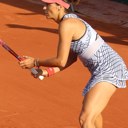
Nikola Bartunkova vs Tatjana Maria Prediction
Final Result
 Nikola Bartunkova2 : 1Tatjana Maria
Match Prediction
low ConfidenceAnalysis
No recent-form data or head-to-head record was supplied for this second-round meeting, so this preview is built on style and context rather than numbers. Nikola Bartunkova is a young Czech player whose game is built on flat, front-foot baseline hitting, which the quick hard courts and lively night-session conditions in New York tend to reward. Tatjana Maria is one of the most awkward opponents on tour to face: a veteran who slices off both wings, changes height and pace constantly and is happy to make a match ugly and long. That contrast usually produces a scrappy contest in which rhythm disappears, and Maria's experience in best-of-three grinding is a genuine equaliser against a less-established opponent. The edge goes marginally to the bigger, more direct ball-striking on this surface, but only marginally, and a deciding set feels like the most likely shape of the match.
AI-generated analysis. For entertainment only.
Prediction FAQ
Who is favourite between Nikola Bartunkova and Tatjana Maria?
How many sets will Bartunkova vs Maria last?
What is the best bet for this match?
Head to Head
All predictions are AI-generated and for informational and entertainment purposes only — not betting or financial advice. Terms | Privacy