U.S. Open - New YorkPredictions, Schedule & Analysis
Recent Results
 Alexander Zverev
 Ben Shelton
 Aryna Sabalenka
 Elena Rybakina
 Frances TiafoeBen SheltonAlexander Zverev
 Karen Khachanov
 Cori GauffElena RybakinaAryna Sabalenka
 Jessica PegulaAlexander Zverev
 Botic Van De ZandschulpKaren Khachanov
 Mirra AndreevaCori GauffAlexander ZverevBotic Van De Zandschulp
 Qinwen ZhengElena RybakinaBen Shelton
 Carlos AlcarazJessica Pegula
 Emma NavarroFrances Tiafoe
 Alex MichelsenAryna Sabalenka
 Linda NoskovaMirra Andreeva
 Anastasia Potapova
 Iva JovicCori GauffJessica Pegula
 Sorana Cirstea
 Francisco CerundoloAlex Michelsen
 Tomas Martin Etcheverry
Players
Akasha Urhobo
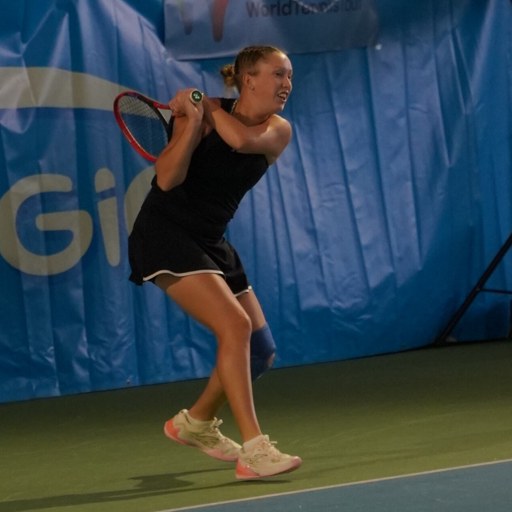
Alexandra Shubladze
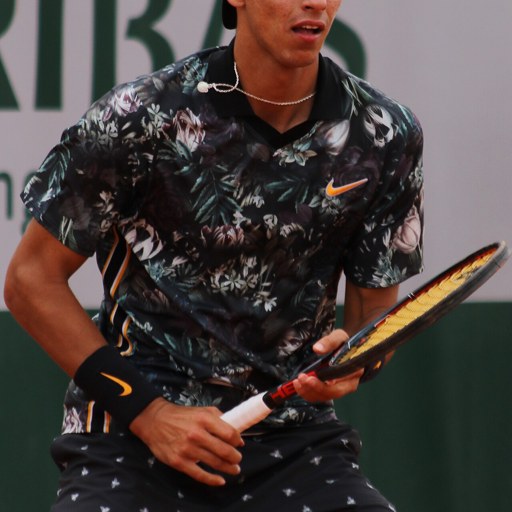
Alexei Popyrin
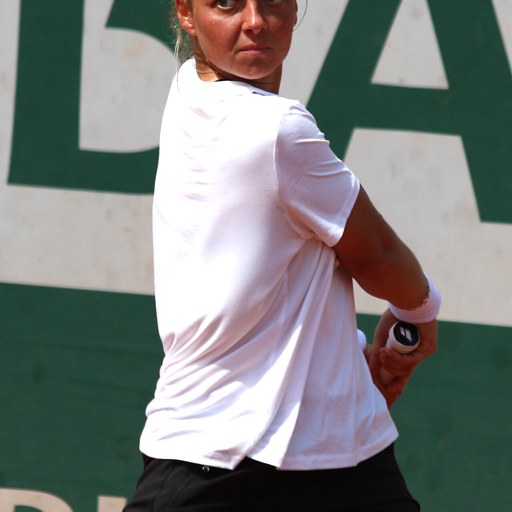
Alice Tubello
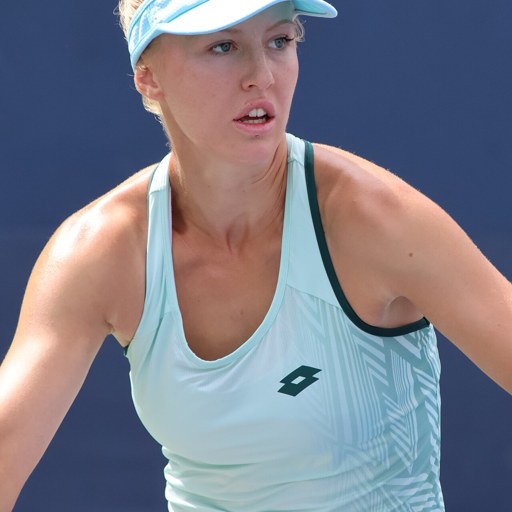
Aliona Falei
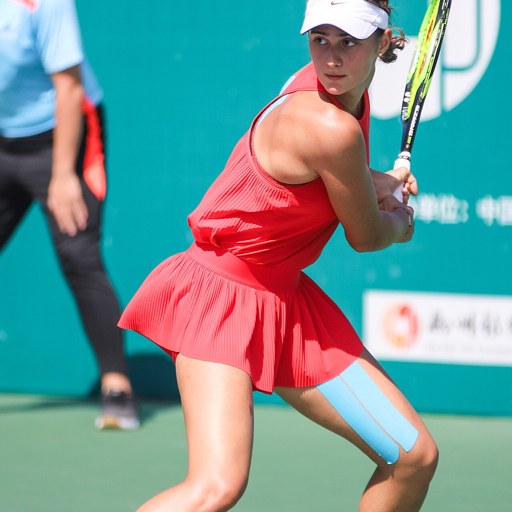
Anastasia Gasanova
Anastasiia Sobolieva
Andrew Johnson
Angela Fita Boluda
Anna Siskova
Annika Penickova
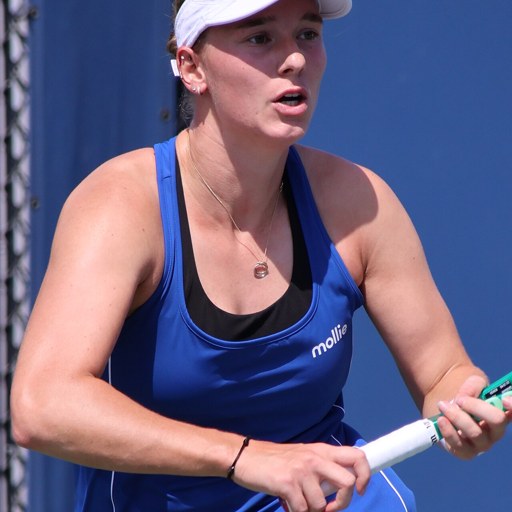
Anouk Koevermans
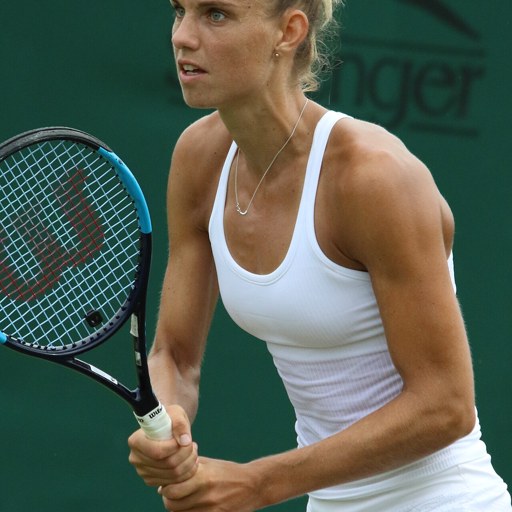
Arantxa Rus
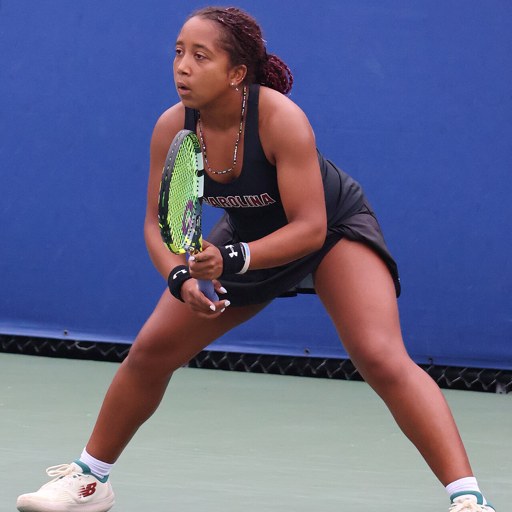
Ayana Akli
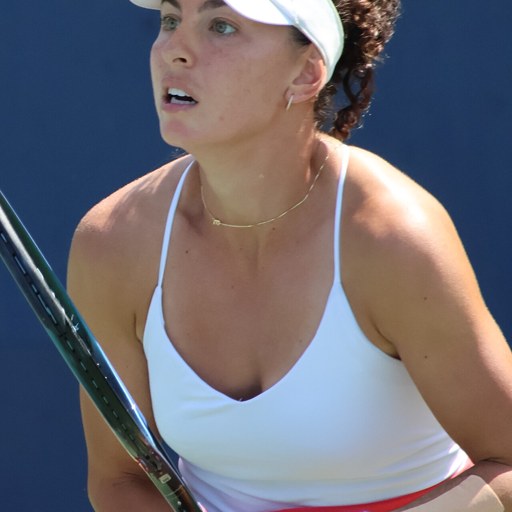
Ayla Aksu
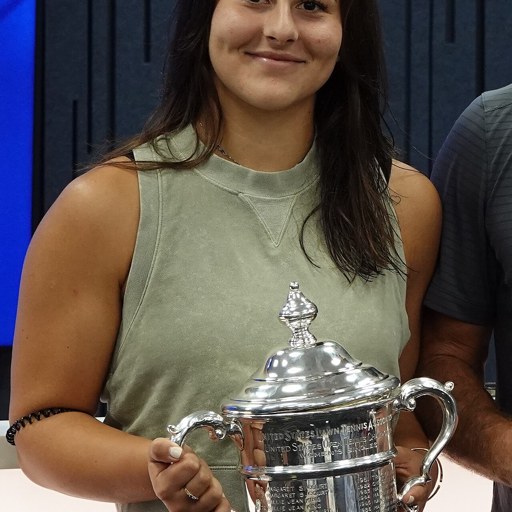
Bianca Vanessa Andreescu
Braden Shick

Carlos Taberner
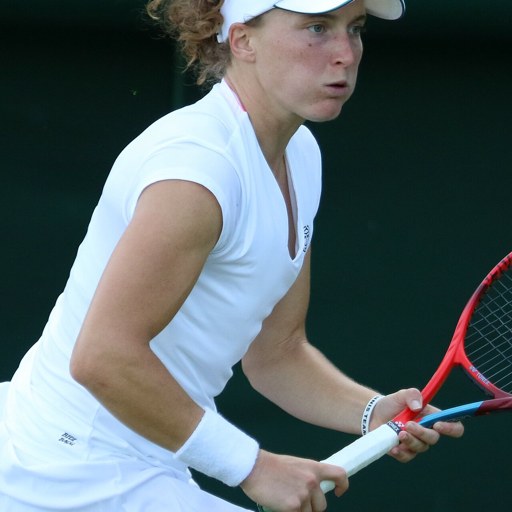
Carole Monnet
Carson Branstine

Christopher O'Connell

Clara Burel
Clervie Ngounoue

Colton Smith
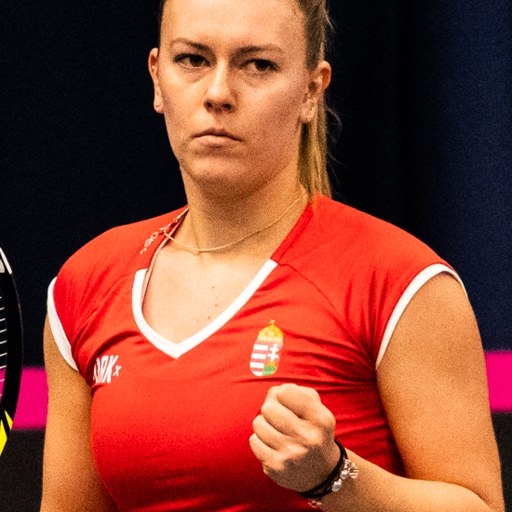
Dalma Galfi
Daniel Rincon
Darwin Blanch
David Jorda Sanchis
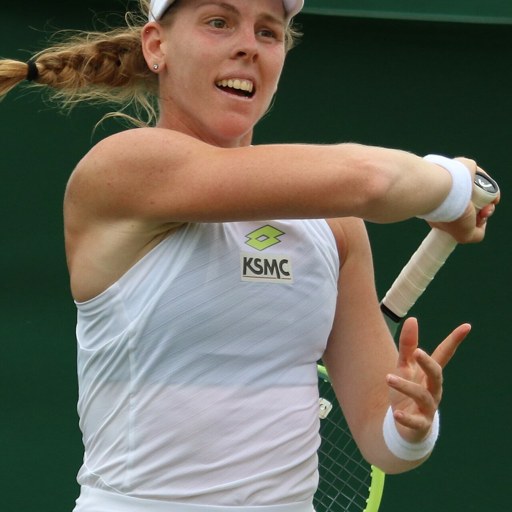
Despina Papamichail
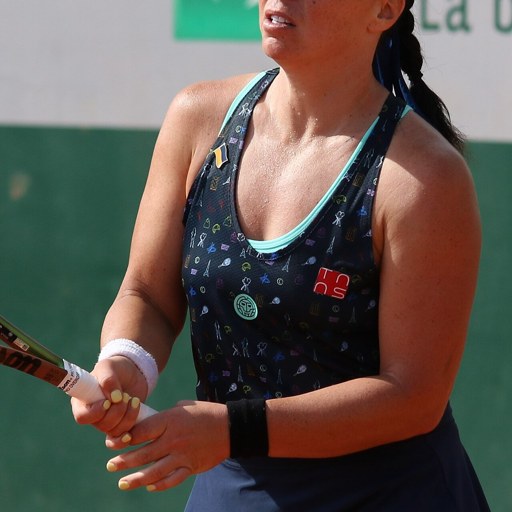
Ekaterine Gorgodze
Elena Pridankina
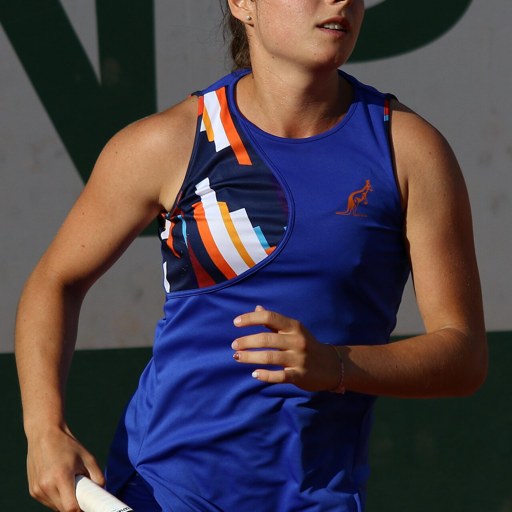
Elisabetta Cocciaretto
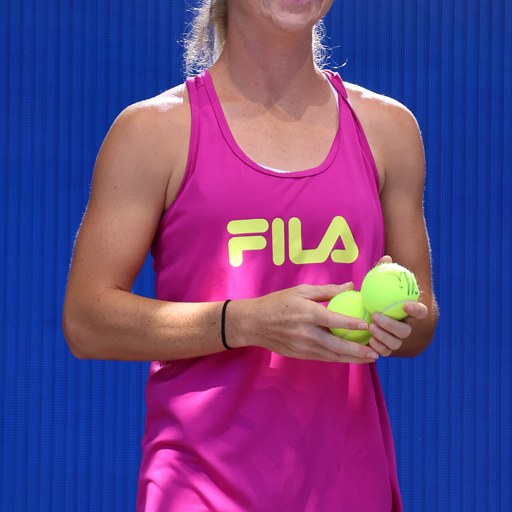
Elizabeth Mandlik
Elizara Yaneva
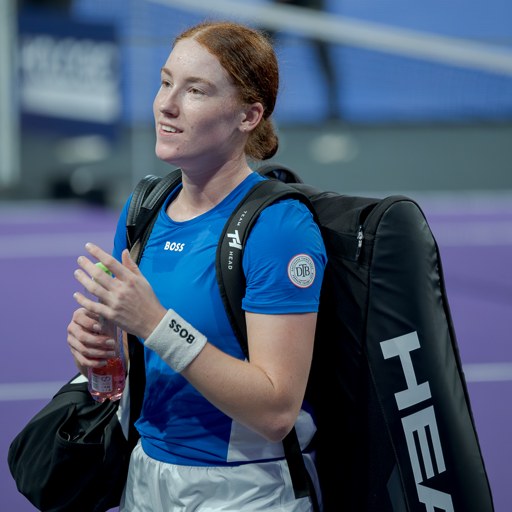
Ella Seidel
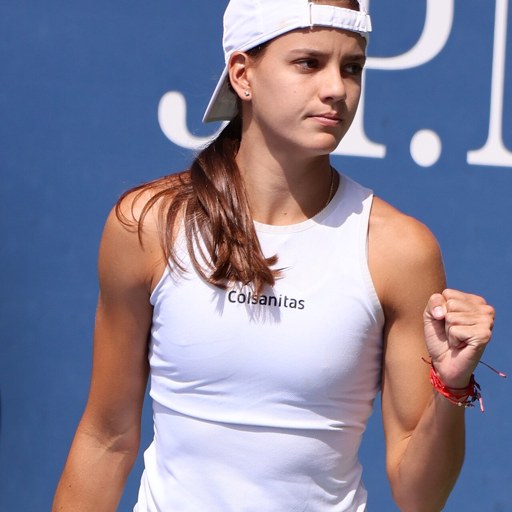
Emiliana Arango
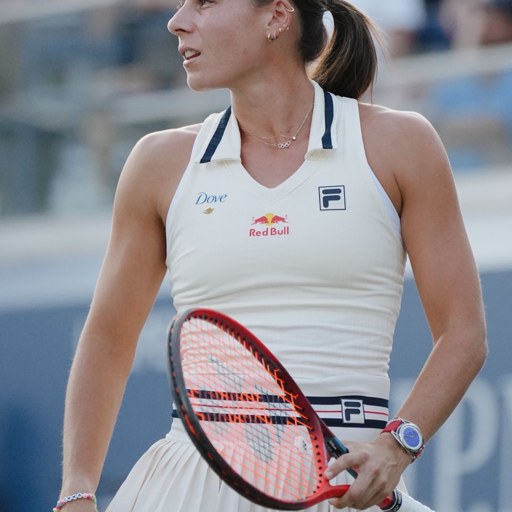
Emma Navarro
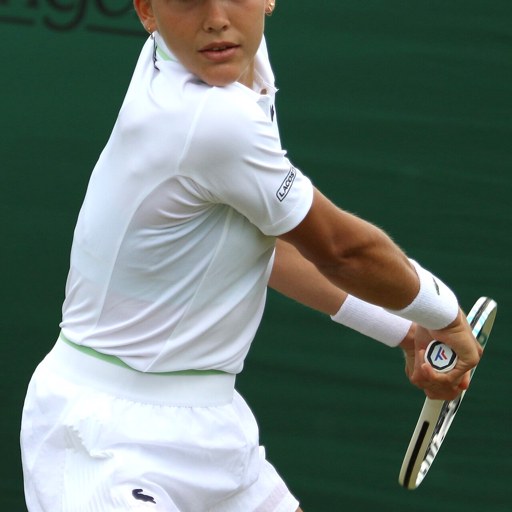
Erika Andreeva
Eva Vedder
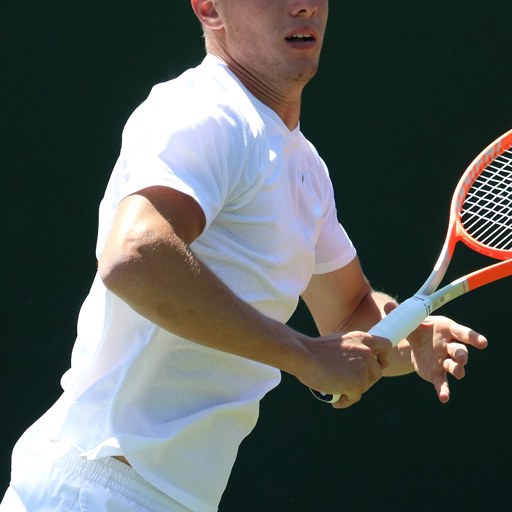
Filip Misolic
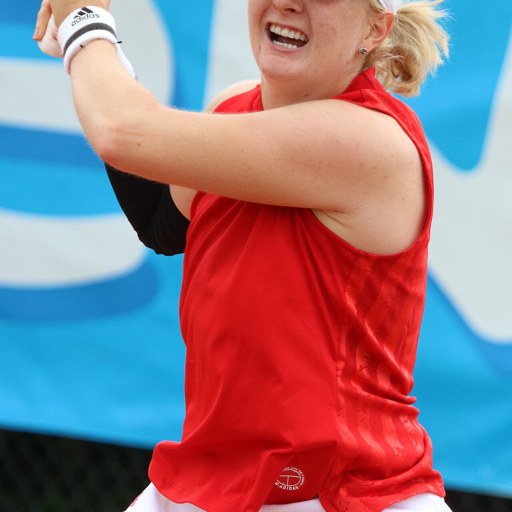
Francesca Jones
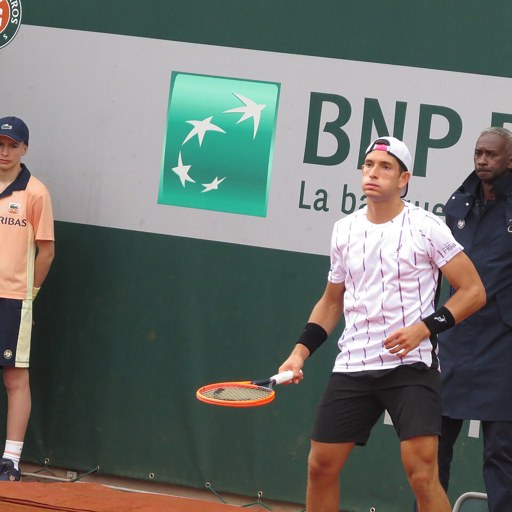
Francesco Passaro
Francisca Jorge
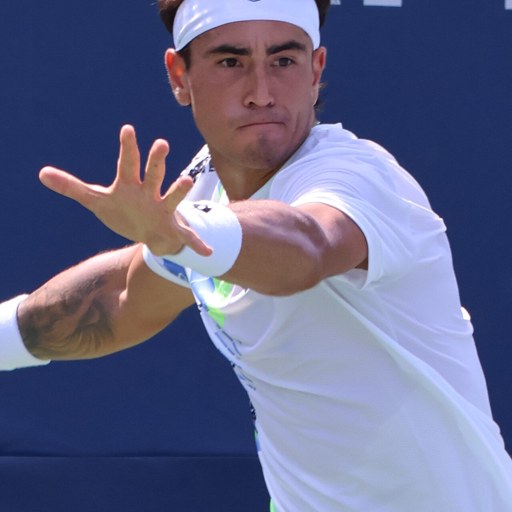
Francisco Comesana

Frederico Ferreira Silva
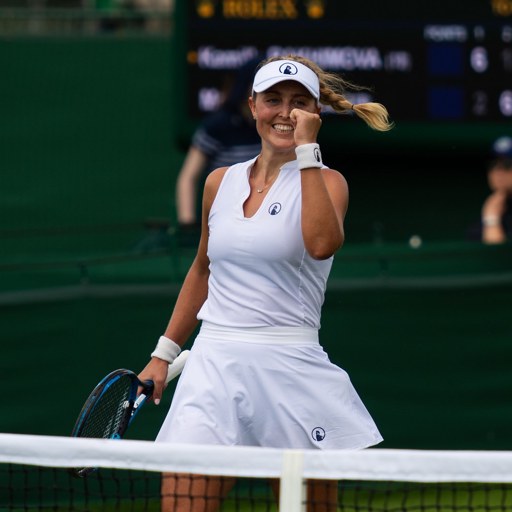
Gabriela Andrea Knutson
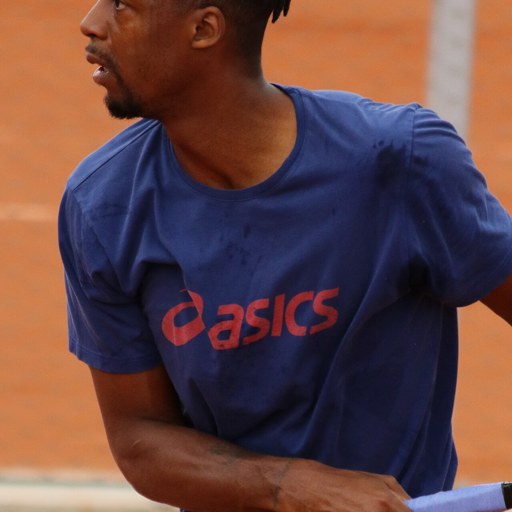
Gael Monfils
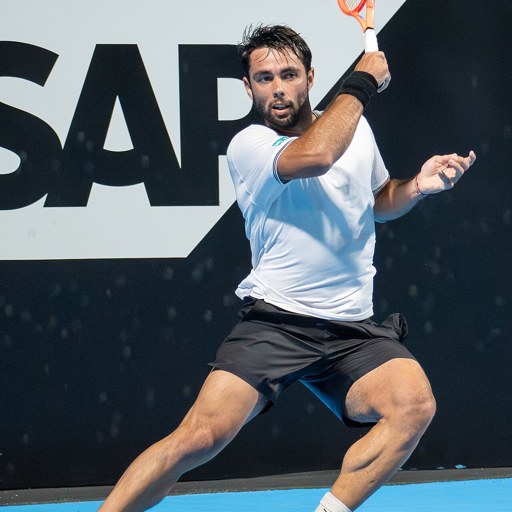
Genaro Alberto Olivieri
Greetje Minnen

Grigor Dimitrov
Guiomar Zuleta De Reales
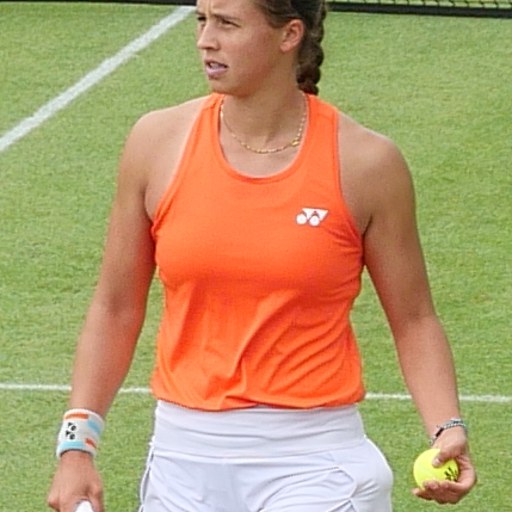
Hanne Vandewinkel
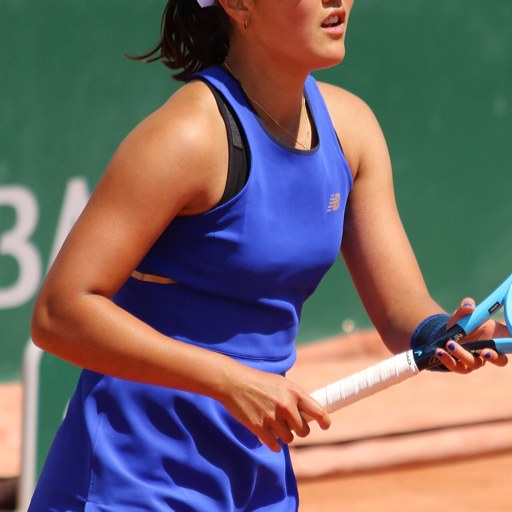
Harmony Tan
Henrique Rocha
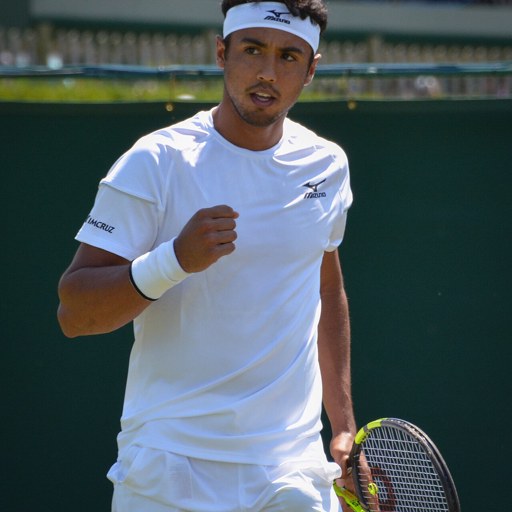
Hugo Dellien
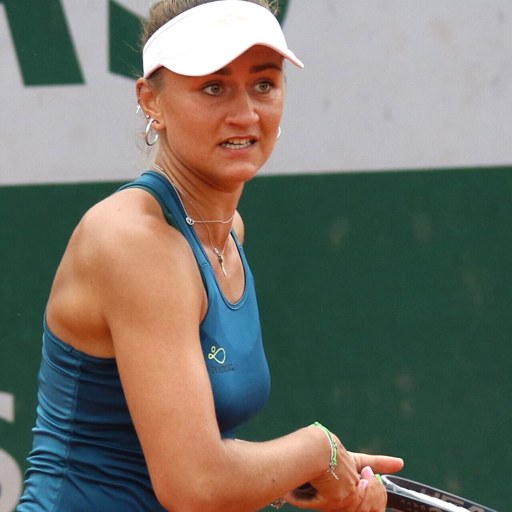
Iryna Shymanovich
Jack Kennedy
Jack Pinnington Jones

Jan Choinski
Janae Preston
Jeff Wolf
Jennifer Ruggeri

Jerome Kym
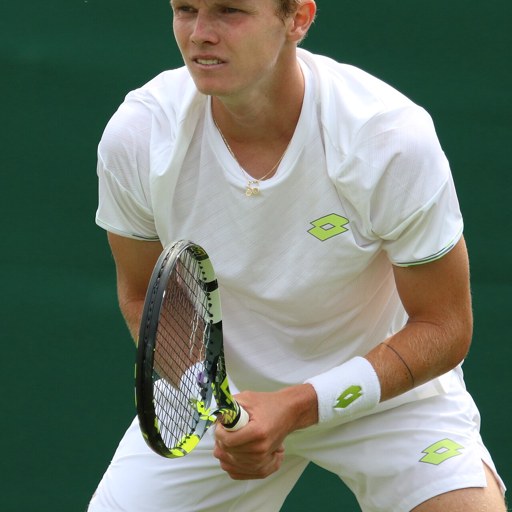
Jesper De Jong
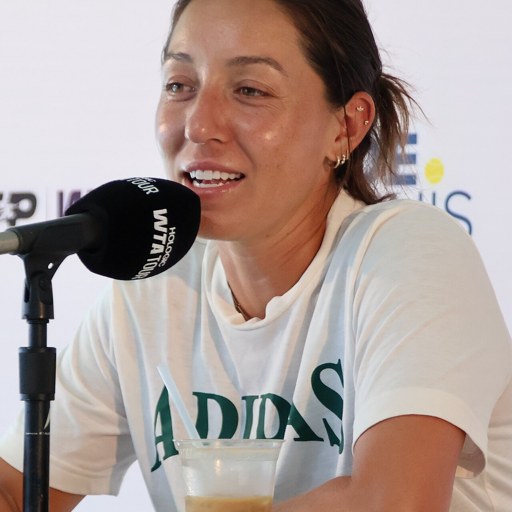
Jessica Pegula
Jordan Lee
Jordyn Hazelitt
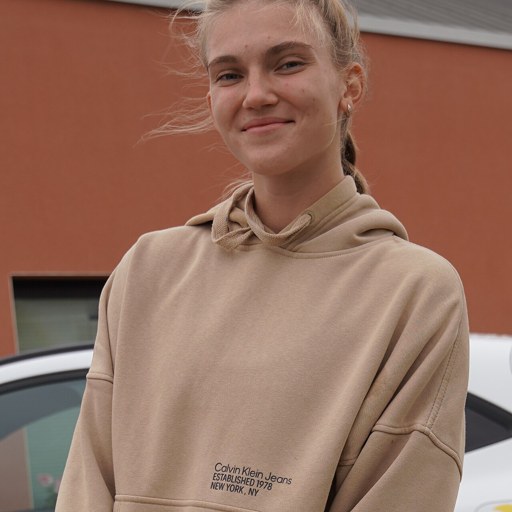
Julia Avdeeva
Julia Grabher
Julie Struplova
Julieta Pareja
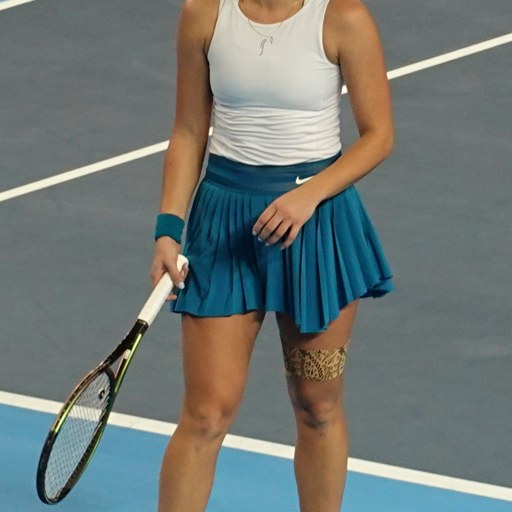
Kajsa Rinaldo Persson
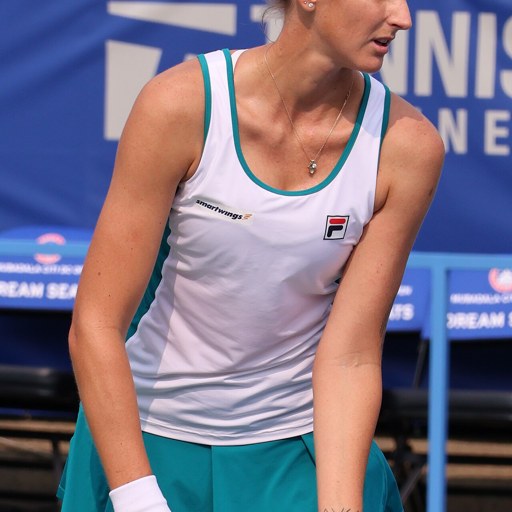
Karolina Pliskova
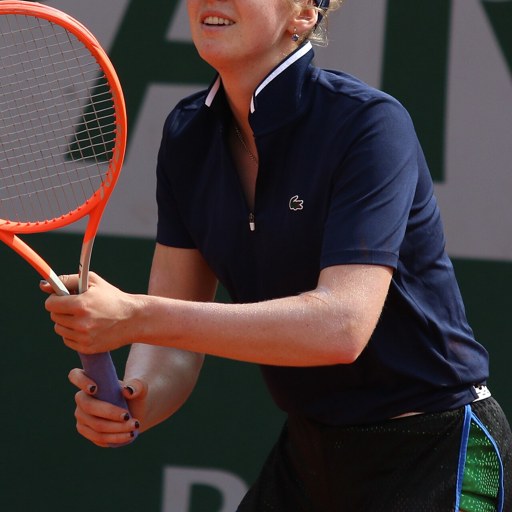
Katherine Sebov
Katie Swan
Katrina Scott
Kayla Cross
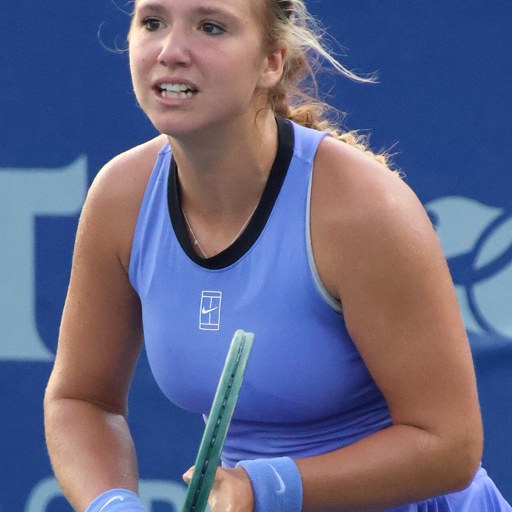
Kristina Liutova
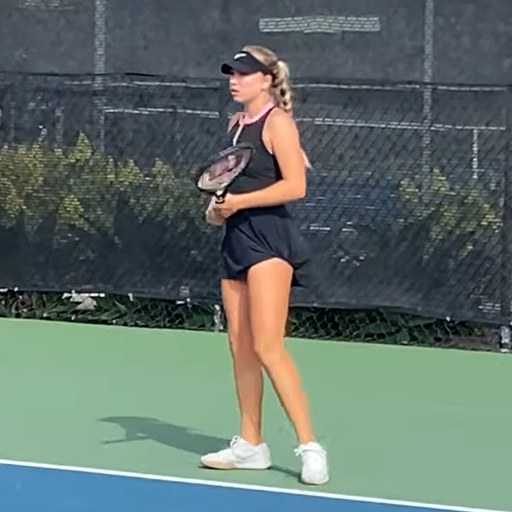
Kristina Penickova
Laura Samson
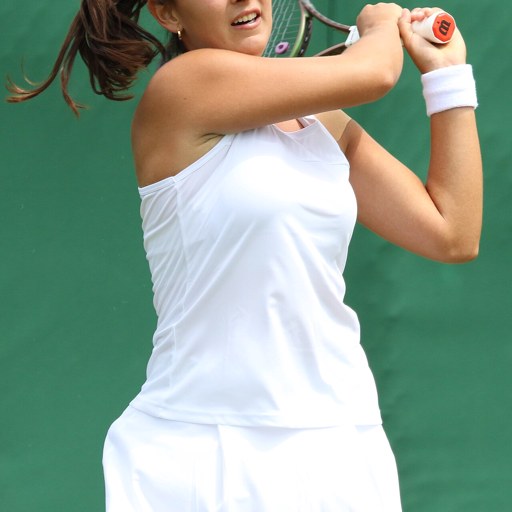
Leyre Romero Gormaz
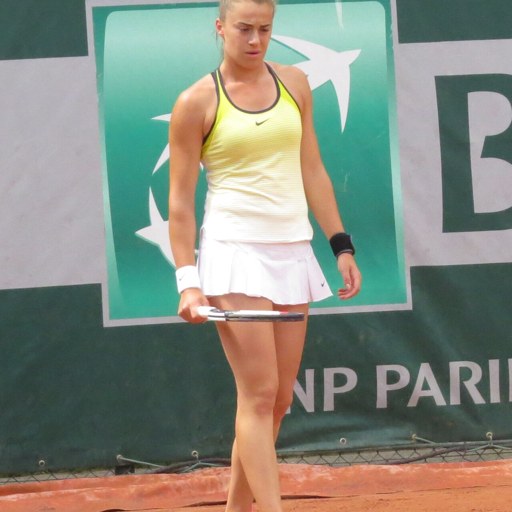
Lina Gjorcheska
Linda Klimovicova
Lisa Pigato
Lola Radivojevic
Lucia Bronzetti
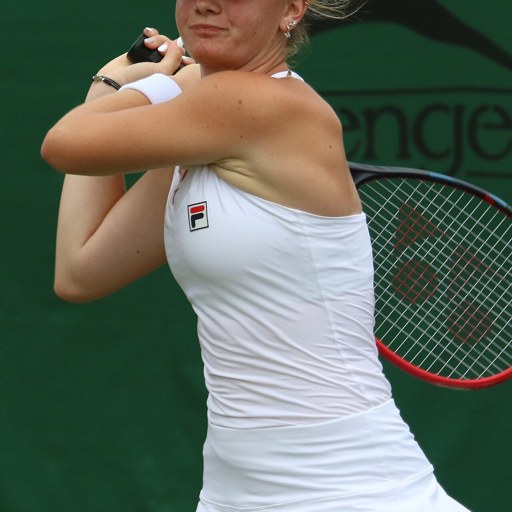
Lucie Havlickova
Luisina Giovannini
Luka Mikrut

Mackenzie Mcdonald

Madison Brengle
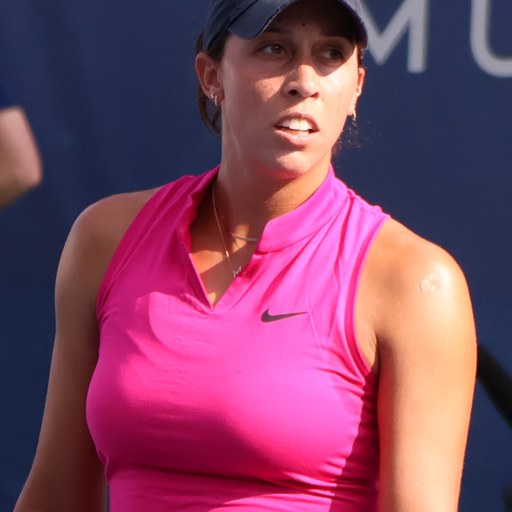
Madison Keys

Marco Cecchinato
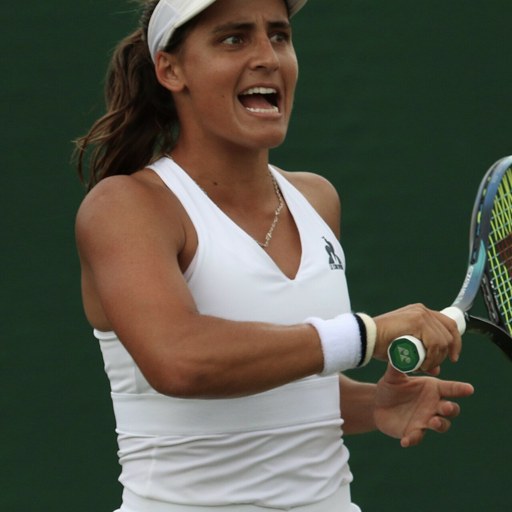
Maria Lourdes Carle
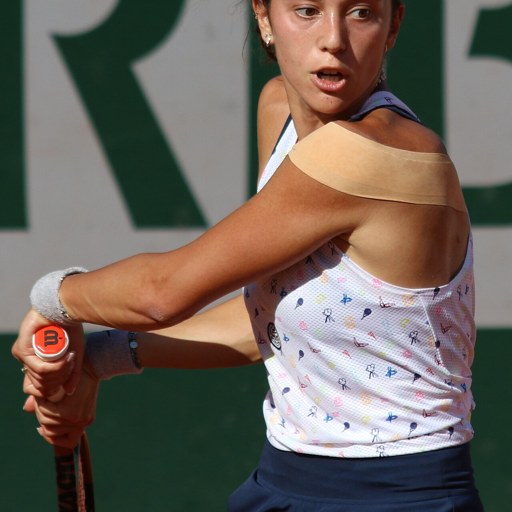
Mariam Bolkvadze

Marton Fucsovics
Martyna Kubka
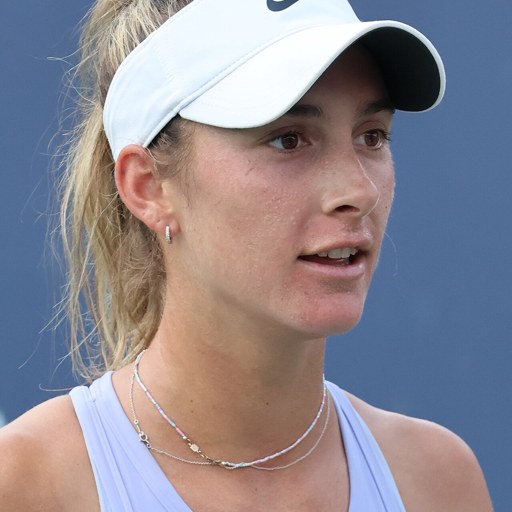
Mccartney Kessler
Mia Ristic
Michael Antonius
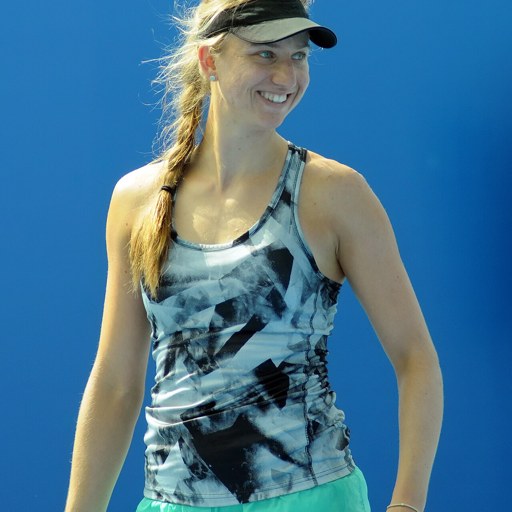
Mona Barthel
Noma Akugue Noha
Nuria Brancaccio
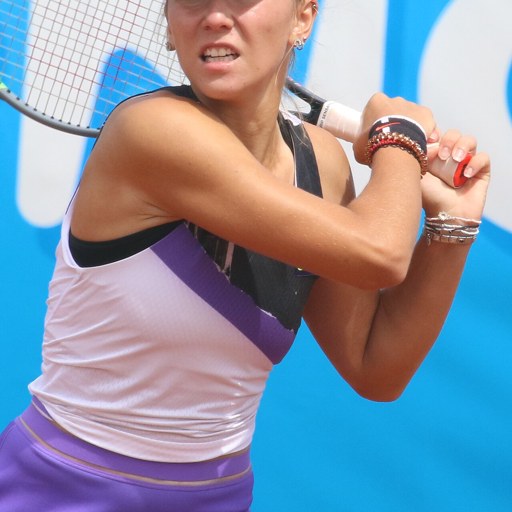
Oksana Selekhmeteva

Pablo Llamas Ruiz
Polina Iatcenko
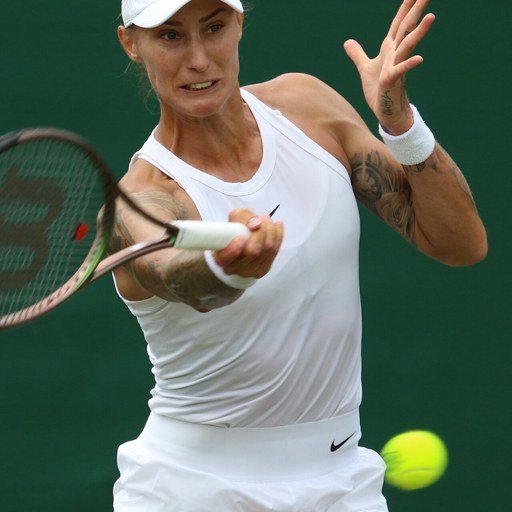
Polona Hercog

Rebecca Marino
Rebeka Masarova
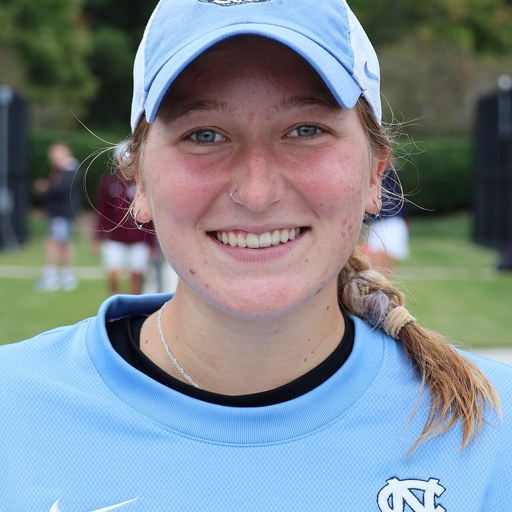
Reese Brantmeier

Roman Andres Burruchaga
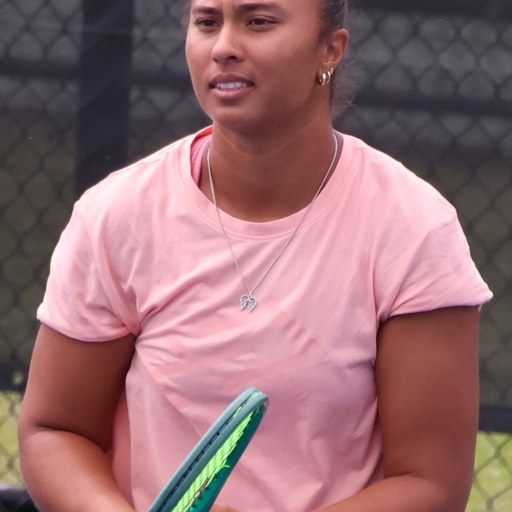
Savannah Broadus
Sebastian Gorzny
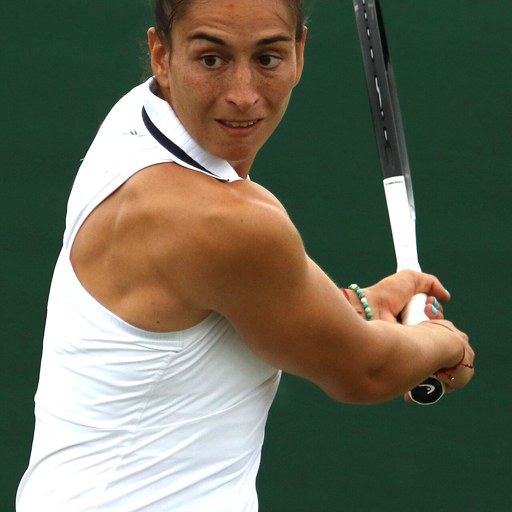
Susan Bandecchi
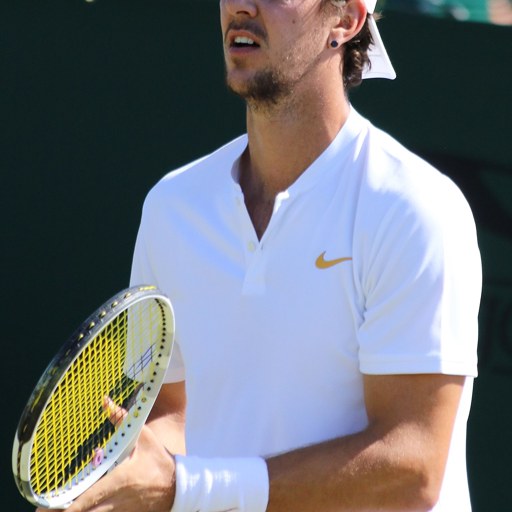
Thanasi Kokkinakis
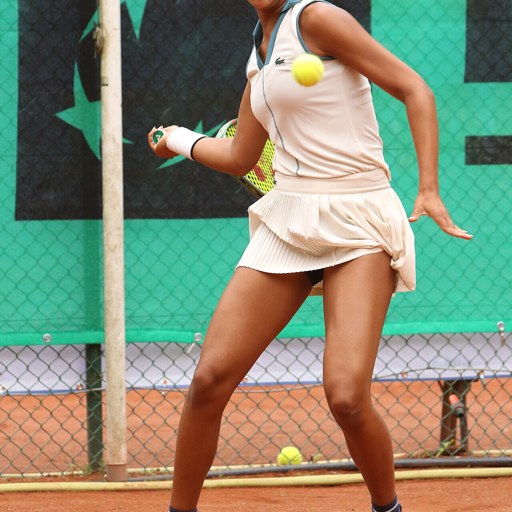
Thea Frodin

Thiago Seyboth Wild
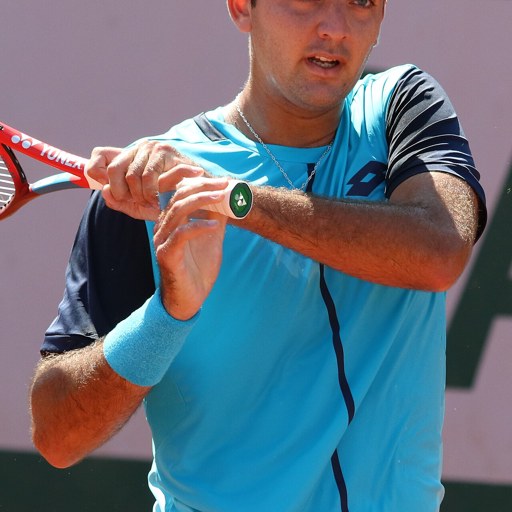
Tomas Barrios Vera
Venus Williams
Veronika Erjavec
Veronika Podrez
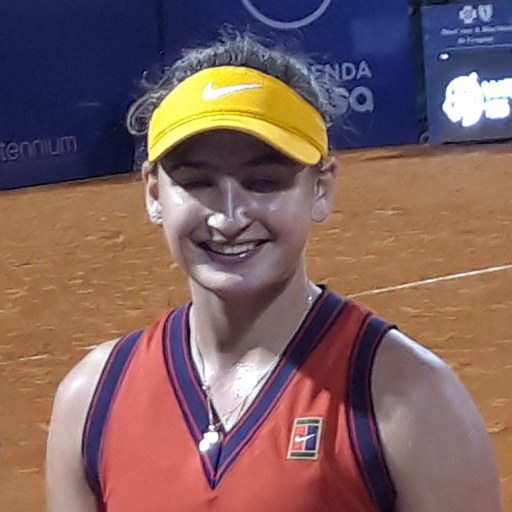
Victoria Jimenez Kasintseva
Viktoria Hruncakova
Vilius Gaubas
Zsombor Piros
Your Complete Guide to U.S. Open - New York on PredictTennisMatch
Welcome to the definitive destination for everything related to U.S. Open - New York. At PredictTennisMatch, we combine cutting-edge artificial intelligence with deep tennis knowledge to bring you the most comprehensive coverage of every match, every player, and every twist in the U.S. Open - New York draw. Whether you are a lifelong follower who has watched this tournament for decades or a newcomer just discovering the drama and excitement it offers, this page is your central hub for the order of play, results, seedings, AI-powered predictions, and expert analysis. Every round brings fresh storylines, and our platform ensures you never miss a single one.
Tennis is a sport that thrives on anticipation. The days leading up to a match are filled with speculation, form debates, fitness bulletins, and stylistic previews. PredictTennisMatch channels all of that energy into data-driven insights that help you understand what is likely to happen and, just as importantly, why. Our AI models process thousands of data points for every U.S. Open - New York match, giving you probability-based forecasts that go far beyond gut instinct or pundit guesswork.
How AI Predictions Work for U.S. Open - New York
The backbone of PredictTennisMatch is our proprietary AI prediction engine. For every upcoming U.S. Open - New York match, our system ingests a vast array of historical and real-time data: head-to-head records spanning multiple seasons, recent form streaks, surface-specific performance splits, service and return statistics, break-point conversion, tie-break records, and much more. The model then assigns a two-way probability estimate for each player — there is no draw in tennis — along with the most likely set scores.
What makes our approach different is transparency. We do not simply hand you a prediction and ask you to trust it blindly. Each forecast comes with contextual analysis explaining the factors that most heavily influenced the result. If a player has won their last six matches on this surface in straight sets, you will see that reflected in the reasoning. If a player is carrying a fitness concern or arrives having spent six hours more on court than their opponent across the previous rounds, the model accounts for the likely drop in movement and intensity. This gives you genuine insight, not just a number.
Our AI is continuously learning. After every round of U.S. Open - New York, results feed back into the model, refining its understanding of current player level, surface form, and tournament-wide trends. Early-round predictions lean more on ranking and historical baselines, but as the draw narrows, the model increasingly weighs what is happening right now in the event. That adaptive quality is what separates a sophisticated prediction engine from a static statistical lookup.
Understanding the Order of Play, Results, and Seedings
The fixtures list above shows you every upcoming U.S. Open - New York match in chronological order. Each entry displays the two players, the scheduled start time, and, where available, the court. Clicking on any match takes you to a dedicated match page with a full preview, head-to-head statistics, AI prediction, and community voting. After the match is played, the same page updates with the final score, key statistics, and a post-match assessment of how the result compared to the forecast. This seamless transition from pre-match anticipation to post-match reflection is central to the PredictTennisMatch experience and mirrors the natural rhythm of how tennis fans follow the sport.
The recent results section captures the latest completed U.S. Open - New York matches. Reviewing recent results is essential for understanding momentum. A player who has strung together three or four convincing wins is playing with confidence, and that psychological edge often matters as much as raw talent. Conversely, a run of early exits can erode belief, prompt a player to change something in their game or team, and create the kind of instability that makes outcomes harder to predict. By keeping both upcoming matches and recent results on one page, PredictTennisMatch gives you the full picture at a glance.
Seedings and rankings tell the cumulative story of the season. ATP and WTA ranking points, recent results, and surface pedigree combine to determine where each player is placed in the draw. But a seeding can be deceptive: a high seed might land in a brutal section packed with dangerous floaters and in-form qualifiers, while a lower seed could enjoy a kind run to the latter rounds. PredictTennisMatch factors draw difficulty and projected matchups into its predictions, so you get a more nuanced view of each player's likely path through U.S. Open - New York.
Match Previews and Post-Match Analysis
Every U.S. Open - New York match on PredictTennisMatch features an AI-generated preview published ahead of the first ball. These previews cover stylistic matchups, key players to watch, recent form, fitness and scheduling news, and historical patterns between the two players. The goal is to prepare you for the match as thoroughly as possible, highlighting the storylines and statistical trends that are most likely to shape the outcome.
Once the final point is played, post-match analysis evaluates the result in context. Did the favourite win as expected, or was there an upset? How did the actual set score compare to the predicted range? Were there any pivotal moments — a momentum-shifting break, a rain delay, a medical timeout — that changed the narrative? This feedback loop is valuable not just for understanding what happened but for calibrating your own expectations going forward. Tennis is a game of probabilities, and learning to interpret results through that lens is a skill that improves over time.
Player Form Analysis and Its Impact on Predictions
Form is the single most discussed variable in tennis prediction, and for good reason. A player's recent results — typically the last five or six matches — offer a snapshot of current level that ranking points alone can obscure. Our AI weighs recent form heavily, but it also looks beneath the surface. A player might have won their last three matches, but if those wins came against lower-ranked opponents in tight three-setters where their serve was repeatedly broken, the model will temper its optimism. Equally, a player who lost narrowly to two top-ten opponents while winning a high share of return points may be stronger than their results suggest.
Visit each player's dedicated page on PredictTennisMatch by clicking the player cards listed on this page to see detailed form analysis, including service holds and breaks, first-serve points won, tie-break records, and performance against different tiers of opposition. Understanding form at that granular level is what separates casual followers from genuinely informed ones.
Surface, Conditions, and Court-Speed Patterns
One of the most persistent patterns in tennis is surface preference. Players who grew up on clay move and construct points very differently from those raised on fast hard courts, and the gap in their results from one surface to another is frequently larger than any ranking difference. At U.S. Open - New York, the surface and conditions shape every matchup. Some players are virtually unbeatable in these conditions but struggle when the speed or bounce changes; others are remarkably consistent wherever they play.
Our AI model treats surface form as a distinct performance profile rather than blending everything into a single rating. It also accounts for conditions specific to the venue — court speed, altitude, the choice of ball, and the difference between baking afternoon heat and cooler, slower night sessions under the lights. This means a big-serving player can be favoured strongly in fast, dry conditions yet rated more cautiously when heavy air slows the court down. Paying attention to surface and conditions is one of the simplest yet most effective ways to improve your understanding of likely outcomes at U.S. Open - New York.
Key Statistics Tracked for U.S. Open - New York
PredictTennisMatch tracks a wide array of statistics for every player competing at U.S. Open - New York. At the macro level, we monitor win rates, sets won and lost, and results against ranking tiers. Digging deeper, the platform looks at first-serve percentage, first- and second-serve points won, ace and double-fault rates, break points created and saved, return games won, and tie-break records. These metrics feed directly into our prediction model and are also surfaced on individual match and player pages for your own analysis.
Serve and return averages are particularly useful when thinking about total-games and set-score outcomes. Some editions of U.S. Open - New York play fast and serve-dominated, producing short, tie-break-laden sets, while others — depending on surface, weather, and ball choice — favour longer, break-heavy rallies. Tracking these tournament-wide tendencies helps you set realistic expectations for individual matches.
How to Use Predictions for Match-Day Decisions
Our predictions page aggregates every upcoming U.S. Open - New York forecast into an easy-to-scan format. Use these predictions as a starting point for your own analysis. Consider the AI's reasoning alongside your own knowledge of the players involved. Are there factors the model might underweight, such as a recent coaching change that has not yet shown up in the results, or a player visibly nursing an injury in their previous match? Combining AI insight with human judgment produces the best results, and PredictTennisMatch is designed to facilitate exactly that kind of synthesis.
On match day, return to the match page for any last-minute updates. The order of play, late fitness news, and weather conditions can all influence the outcome. Our model incorporates confirmed news when available, but being aware of these factors yourself adds another layer of context to the prediction.
Historical Patterns and Seasonal Trends
Tennis follows cyclical rhythms across the calendar. The opening weeks of a surface swing often produce unexpected results as players adjust their footing, timing, and tactics to new conditions. The middle of the season brings a relentless run of back-to-back tournaments, which can lead to fatigue-related drops in level, especially for players who go deep week after week. The business end of U.S. Open - New York, from the quarter-finals onward, is where the pressure intensifies and mental fortitude becomes paramount.
Our AI recognises these rhythms. It adjusts prediction confidence based on the stage of the tournament, accounting for the fact that early-round data within an event is sparse and latter-round matches carry unique psychological weight. Historically, certain points in the calendar — the first event of a new surface swing, or a tournament immediately following a Grand Slam — produce distinctive patterns of results as players carry over fatigue or confidence. PredictTennisMatch's model has learned from years of such data, and those patterns are baked into every prediction you see.
The Role of Coaching Changes and Scheduling
A change in a player's team can reshape their trajectory. A new coach can sharpen a player's tactics, rebuild their serve, or restore their confidence, while an abrupt split can unsettle a player for weeks until the new partnership beds in. PredictTennisMatch's model responds to these changes by adjusting player ratings once enough matches under the new setup have been played. In the immediate aftermath of a high-profile coaching move, our previews highlight the change and discuss its likely effect on upcoming U.S. Open - New York matches.
Scheduling is especially relevant during congested stretches of the calendar. A player who has fought through a string of three-set matches, played a late-night finish, or crossed several time zones to reach the event carries a fatigue burden that a fresher opponent does not. The depth of that toll varies enormously from player to player depending on age, fitness, and how much court time they have absorbed. Our prediction model accounts for this by factoring in recent match minutes, rest days, and the physical demands of each player's path through the draw.
Rivalries and High-Stakes Matches
Rivalries are the matches that define a season in the memories of fans. In tennis, certain matchups carry years of history, fierce competitiveness, and an intensity that statistics alone cannot capture. These matches tend to be tighter and more dramatic than neutral form lines would suggest, because both players raise their level and know each other's games inside out. Our model recognises rivalry dynamics, applying adjustments that reflect the historical tendency for these matches to go the distance and swing on the finest of margins.
High-stakes matches — finals, matches with major ranking-points or seeding implications, and ties with national pride on the line in the Davis Cup or Billie Jean King Cup — carry similar dynamics. The pressure of the occasion can cause form to become secondary to nerve and experience. Players with a strong record in big matches and the composure to serve out tight sets often perform better in these moments. PredictTennisMatch's previews for high-stakes U.S. Open - New York matches always flag the contextual significance of the result, helping you understand the emotional and competitive landscape beyond the basic numbers.
How Injuries and Withdrawals Affect Predictions
Fitness is one of the most significant short-term factors in match prediction. A player nursing a wrist, shoulder, or knee problem, or one who has simply spent hours longer on court than their opponent in earlier rounds, can see their level drop sharply. In tennis, where the margins between winning and losing are razor-thin, a single physical issue can swing a prediction from one player to the other — and a late withdrawal can hand an opponent a walkover into the next round of U.S. Open - New York.
PredictTennisMatch incorporates known injury and fitness information into its previews and predictions. When a player is confirmed to be carrying a problem, the model adjusts its forecast accordingly. However, players do not always reveal the full picture in advance, so we also assess the likely impact of rumoured concerns and heavy scheduling and flag them as risk factors. Keeping track of who is fully fit and who is struggling is a fundamental part of informed prediction, and our platform makes that process as effortless as possible.
Understanding Odds and Probability in Context
One of the most common misconceptions in tennis prediction is that a high probability equals certainty. If our model gives a player a 70% chance of winning a U.S. Open - New York match, that means we expect them to lose roughly three times out of ten. Understanding probability in this way is crucial. It prevents overreaction to individual results — a favourite losing does not mean the prediction was wrong; it means the less likely outcome occurred, as it inevitably will some percentage of the time, and tennis serves up upsets every single week.
Over a large enough sample of matches, a well-calibrated model should see its 70% predictions winning approximately 70% of the time. That calibration is what we track and optimise for. You can review our prediction accuracy on the platform and see for yourself how well the model's confidence levels align with real-world outcomes. This transparency builds trust and helps you use the predictions more effectively.
Live Scores and Real-Time Updates
When U.S. Open - New York matches are underway, PredictTennisMatch keeps you updated with scores and key match developments. The match pages update to reflect sets, games, and breaks of serve as they happen. After the final point, complete results are available within minutes, alongside a post-match summary that evaluates the result relative to the pre-match prediction. This end-to-end coverage — from preview to prediction to live tracking to post-match review — means you never need to leave the platform to stay fully informed.
Real-time coverage transforms the passive act of checking scores into an active, analytical experience. As breaks of serve land and the momentum shifts, you can revisit the pre-match prediction and assess whether the match is playing out as expected or whether an unexpected purple patch or a dip in a player's serve has changed the trajectory. This in-the-moment engagement deepens your connection to every U.S. Open - New York match and sharpens your predictive instincts over the course of the season.
Expert Analysis vs AI Predictions
A natural question is how AI predictions compare to traditional expert analysis. The answer is that both have strengths, and they work best in combination. Human experts bring contextual understanding, technical knowledge, and an ability to read intangibles like a player's body language, nerve under pressure, and the dynamics inside their team. AI brings consistency, data processing scale, and freedom from cognitive biases like recency bias, narrative bias, and emotional attachment to particular players.
PredictTennisMatch's approach harnesses the power of AI while presenting its outputs in a way that invites human interpretation and refinement. Our previews contextualise the model's predictions with narrative analysis, ensuring you benefit from both modes of thinking. Over time, we have found that users who engage critically with AI predictions — questioning the reasoning, overlaying their own knowledge, and tracking accuracy — develop a more sophisticated understanding of tennis outcomes than those who rely on either approach alone.
Prediction Accuracy Tracking
Accountability matters. PredictTennisMatch publishes its prediction results for U.S. Open - New York so you can evaluate model performance over time. After each round, we update our accuracy statistics — correct winner rate, average confidence on correct predictions, and calibration metrics. These numbers are not hidden or cherry-picked; they reflect every prediction made across the event. If the model goes through a rough patch, you will see it. If it is on a hot streak, that is visible too. This radical transparency is a core principle of the platform.
Tracking accuracy over a meaningful sample size is what separates serious prediction platforms from those offering entertainment-only forecasts. A single round can produce anomalous results — seeds tumbling out, a qualifier going on a fairy-tale run, a retirement mid-match — that skew short-term statistics in misleading ways. Over the full arc of U.S. Open - New York and the wider season, however, genuine predictive skill becomes clearly visible. PredictTennisMatch's long-term accuracy records give you the evidence you need to trust our model and to understand exactly where its strengths and limitations lie for different surfaces, formats, and competitive contexts.
Community Predictions and Fan Engagement
Tennis is a communal experience, and prediction should be too. PredictTennisMatch enables you to submit your own predictions for U.S. Open - New York matches and see how the community as a whole is leaning. Are most users backing the favourite, or does the crowd sense an upset? Community prediction data adds another valuable signal to your analysis and creates a fun, competitive dimension to following the tournament.
Registered users earn one point for every correct winner, and your accuracy percentage is tracked transparently across all your picks. Predict on consecutive days and you earn a streak badge displayed next to your name. The more you predict and the sharper your calls, the stronger your track record becomes. It is a system designed to reward engagement and knowledge, turning your tennis insight into a record you can be proud of.
Track Your Prediction Accuracy as a U.S. Open - New York Fan
PredictTennisMatch tracks your prediction accuracy across every U.S. Open - New York match you call. It is a personal test of your judgment: each correct winner earns one point, and your accuracy percentage is tracked across all your picks. Participation is completely free — there are no entry fees, no stakes, and no prizes, just an honest measure of how sharp your reading of the game is. Watching your accuracy record improve adds an edge to the experience and gives you a concrete goal to work towards each round.
Check our public accuracy page to benchmark your own hit rate against the AI. Whether you predict every day or pick your spots, your accuracy builds up over time, so consistency is rewarded just as much as occasional brilliance — and predicting on consecutive days earns a streak badge displayed next to your name.
Premium Features for Deeper Analysis
While PredictTennisMatch offers extensive free coverage of U.S. Open - New York, our premium tier unlocks additional features for serious followers. Premium users gain access to advanced statistical breakdowns, extended historical data, early prediction releases, additional markets such as total games and handicaps, and a completely ad-free experience. If you find yourself consistently wanting more detail and more data, premium is designed for you.
Premium analysis dives into metrics like serve-plus-one effectiveness, return-points-won rates, performance on break points, and tie-break win percentages — the kind of granular data that professional analysts use to evaluate player performance. For the most dedicated U.S. Open - New York followers, these features provide a significant analytical edge.
Beyond raw data, premium subscribers receive priority access to prediction model updates and detailed breakdowns of methodology changes. When our AI engine introduces new data sources or adjusts its weighting algorithms based on what it learns through the season, premium users get an explanation of what changed and why, enabling them to interpret predictions with even greater confidence and sophistication throughout the U.S. Open - New York draw.
Tips for Following a Tennis Tournament Effectively
Following a tournament like U.S. Open - New York from the first round to the final is a marathon, not a sprint. Here are some principles that the most engaged PredictTennisMatch users have found helpful. First, do not overreact to individual results. Tennis has enormous variance, and a single match is a very small sample size. Look at trends over five or six matches before drawing conclusions about a player's true level. Second, pay attention to context. A three-set loss to the top seed is very different from a straight-sets loss to a player ranked well below you, even though both go down as a defeat.
Third, use the tools available to you. PredictTennisMatch provides AI predictions, community sentiment, statistical profiles, and match previews for every U.S. Open - New York match — take advantage of all of them. The users who get the most out of the platform are those who treat it as a starting point for their own thinking rather than a source of final answers. Fourth, track your own predictions honestly. Revisiting past forecasts and understanding where you went wrong is the fastest route to improvement. Our platform makes this easy by recording your prediction history and scoring accuracy over time.
Finally, enjoy the journey. U.S. Open - New York is one of the most exciting events in tennis, packed with talent, drama, and unforgettable moments. Whether your favourite is chasing the title, defending ranking points, or making a breakthrough run as an unseeded outsider, every match carries meaning and every prediction carries the thrill of testing your knowledge against the sport's inherent unpredictability. PredictTennisMatch is here to make that experience richer, smarter, and more rewarding.
U.S. Open - New York rewards those who pay close attention. Patterns emerge slowly and then become obvious in hindsight — the player who was quietly stringing together a deep run, the server who found a new gear after a small technical tweak, the young qualifier whose early-round nerves gave way to fearless, free-swinging tennis that defied the seedings. By following the tournament through PredictTennisMatch, with its combination of AI forecasting, community insight, and detailed statistical tracking, you position yourself to spot these narratives as they develop rather than after the fact. That is the difference between simply watching tennis and truly understanding it, and it is the experience we are building every day on this platform.